We sent in a survey to be answered by some of our fellow companions, friends and family.
The results of the survey will appear in different ways, including charts and concise answers.
First we asked the people closest to us about what they thought poverty was and we can resume that of the seventeen people who answered, seven of them think that poverty is about not being able to satisfy their basic needs; but the rest think that Poverty is more about the bad distribution of wealthiness and how people have or don’t have access to different services and products.
In the same survey, we requested them to say what they believe are the most important factors that affect the increase in poverty, in their responses, most believe that it depends drastically on access to different opportunities, such as education, work, the purchase of necessities and so on. From the seventeen people, only four believe that it is the environment in which they develop, such as government, culture, and geographical area the factors that mainly affect the increase of poverty.
We ask our companions, friends and family if social programs will be effective in increasing education levels and they answered: 47.1% a bit, 29.4% more less, and 23.5% a lot as seen on Figure 1.
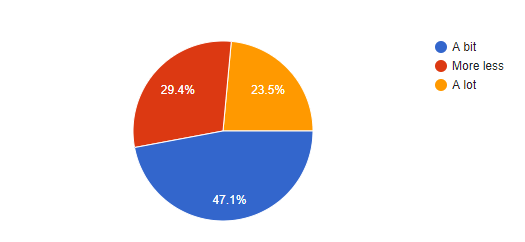
Figure. 1. What people think about how effective are social programs.
Also, we asked them about what they think is the most poor continent and they said that it was Africa with 82.4% of the votes shown in Figure 2.

Figure 2. What people think is the continent with the highest level of poverty.
Finally, we asked them if they thought poverty and education are related or not and the most chosen answer was YES with 88.2% of the votes, like it is shown on Figure 3.
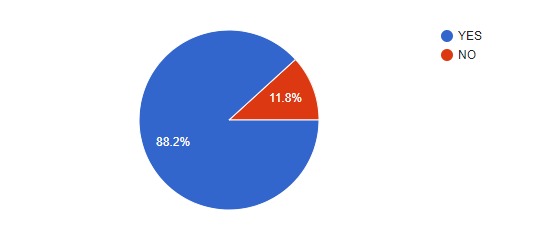
Figure 3. People’s opinion about if poverty and education are related.
Related with the answer before, they had to explain their posture:
When people answered yes, they generally said that poverty and education are linked because most people need to overcome income disadvantages to assist school also there are a combination of factors that contribute like the gap between the education systems as well as the fact that poverty limits the opportunities available to those families and individuals.
When people answered no, they generally said that poverty and education aren’t linked because having a basic education does not ensure you a good job, either in a stabilized economy, also people living in poverty may stop going to school so they can go to work.
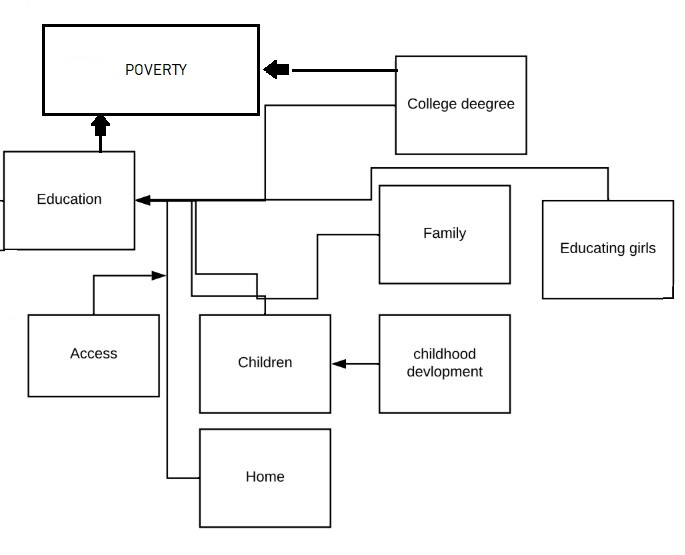
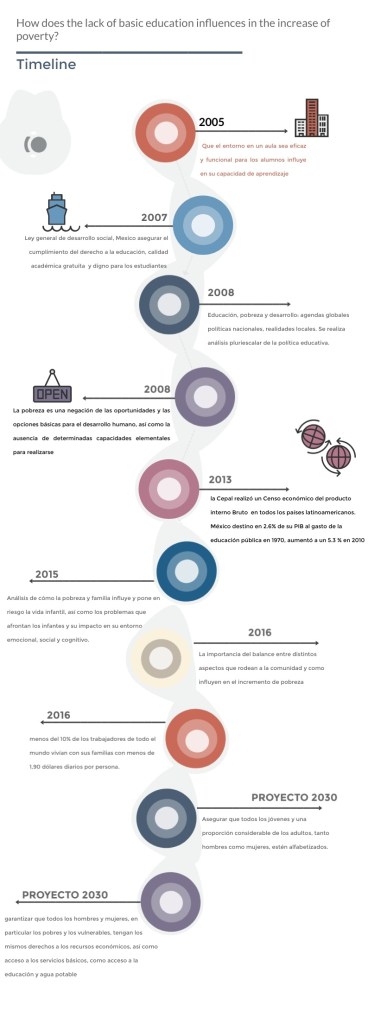



 How Does the Lack of Basic Education Influence the Increase of Poverty?